
What Is a Conversion Portal, and Why Auto Dealers Should Send Traffic There

Every franchised dealer knows the reality: OEMs require you to maintain and operate a manufacturer-controlled website. That isn’t changing.
 
But here’s what can change, and what smart dealers are already doing:
 
👉 You do not have to send all of your paid traffic there.
 
Instead, the most progressive dealers are running split campaigns, sending some traffic to the OEM-mandated site, and some to a conversion portal built specifically to turn high-intent shoppers into real buyers.
 
The results speak for themselves.

The Problem with the Traditional OEM VDP

Let’s be honest about what most manufacturer-controlled VDPs are designed to do:
 
• Capture data, not serve the shopper
• Lock high-intent information behind forms
• Funnel users into antiquated email workflows
• Prioritize compliance and lead volume over experience
 
Shoppers arrive motivated, then immediately hit friction.
 
Want a trade-in value? Form.
Want to check affordability? Form.
Have a window sticker or options question? Form.
Want to schedule an appointment? Form + email ping-pong.
 
This experience is optimized for data extraction, not decision-making.

Lead Volume ≠ Lead Quality

Yes, forcing shoppers to enter information at every turn can inflate lead counts.

But dealers know the truth:

• Fake names
• Bad email addresses
• Wrong phone numbers
• Disposable contact info

Now the shopper is annoyed, and your BDC is stuck wasting time trying to figure out which leads are real and which are garbage.

That’s not efficiency. That’s friction disguised as volume.

What a Conversion Portal Actually Is

conversion portal is a curated, shopper-first vehicle experience designed to answer questions before asking for anything in return. Think of it less like a traditional VDP… and more like a personal vehicle catalog built just for that shopper.

What Makes a Conversion Portal Different?

1. A Desire-Driven Vehicle Experience

Instead of a dull parking lot photo:

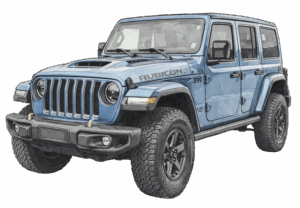
• AI-enhanced vehicle images
• Seasonal, holiday, or lifestyle-based visuals
• Clean, premium presentation

The vehicle feels aspirational, not transactional.

2. Instant Answers, No Forms
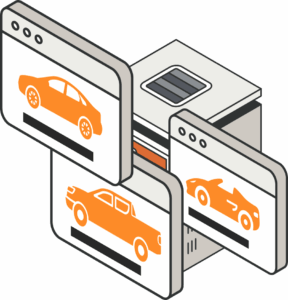
Shoppers can ask:

• Questions about options & packages
• Window sticker details
• Feature comparisons
• Availability clarifications

And receive immediate, intelligent responses, not delayed emails.

3. Frictionless Trade & Affordability

• Instantly find trade-in value
• Apply it directly to the deal
• See affordability clearly
• No forced data entry loops

Shoppers stay engaged because momentum isn’t broken.
 
 
4. Self-Scheduled Appointments

• Familiar calendar-style booking
• No back-and-forth emails
• No waiting for confirmation

The shopper stays in control, which increases follow-through.

Why Smart Dealers Send Paid Traffic to Conversion Portals

Most dealer websites convert around 3% of traffic.

Conversion portals routinely outperform that because they:

• Remove friction
• Build confidence
• Create emotional connection
• Respect the shopper’s time

And when shoppers do choose to identify themselves?

They do it willingly, with real information, not throwaway data.

OEM Website vs Conversion Portal: It’s Not Either/Or

OEM websites are required.
Conversion portals are strategic.
The smartest dealers:
 

• Keep the OEM site for compliance
• Run split campaigns
• Compare conversion rates, appointment sets, and showroom visits

Once you see the difference, you won’t send all your traffic to the same place again.

The Future of Vehicle Shopping

Shoppers don’t want to be interrogated.
They want:

• Clarity
• Speed
• Confidence
• Control

Conversion portals deliver all four.
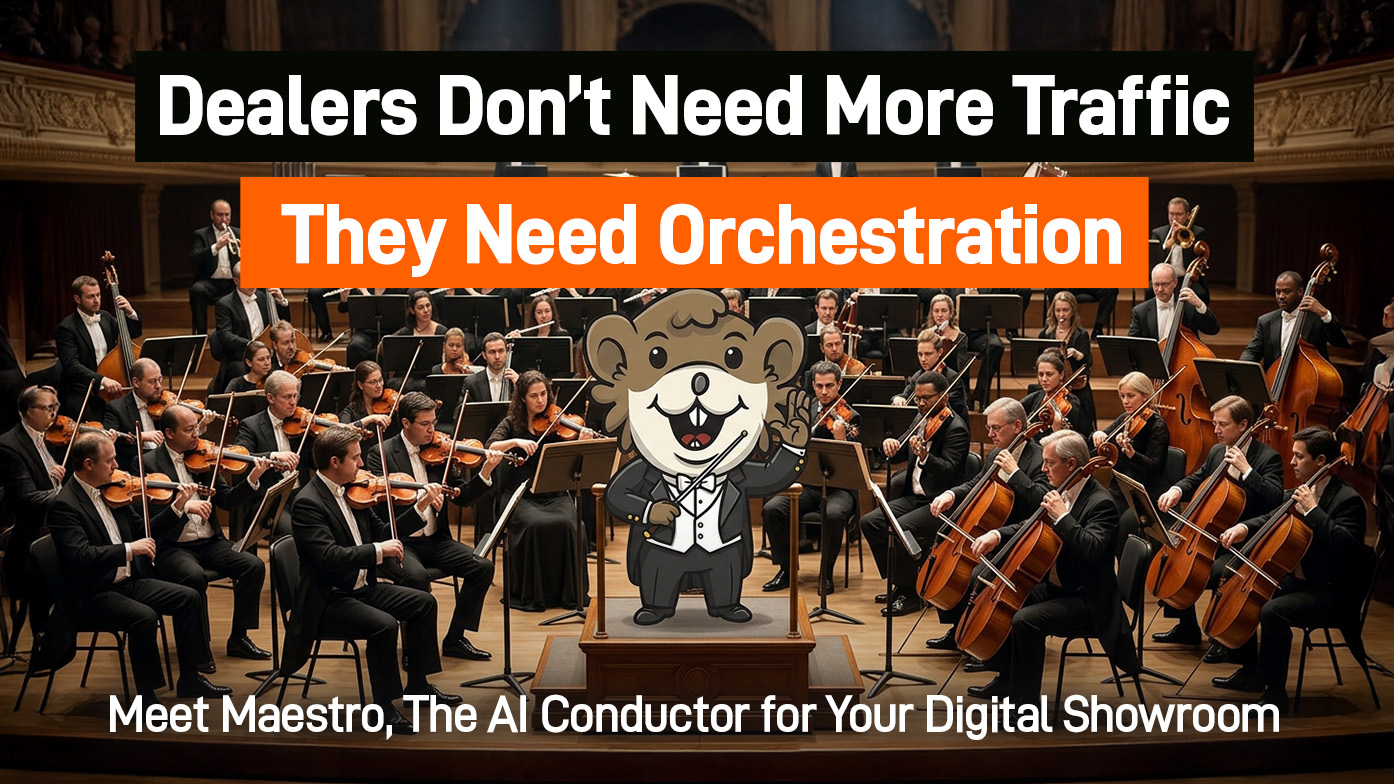
Ready to Build Your Custom Conversion Portal?

Dealers who adopt this model early gain a massive advantage in:

• Paid media performance
• Lead quality
• Customer experience
• Closing efficiency

👉 Find out how to launch your own conversion portal and move to the forefront of modern automotive retail.
Share the Post:

Related Posts