The Hidden Leverage in OEM “Stair-Step” Programs, And Why Dealers Must Reclaim Control

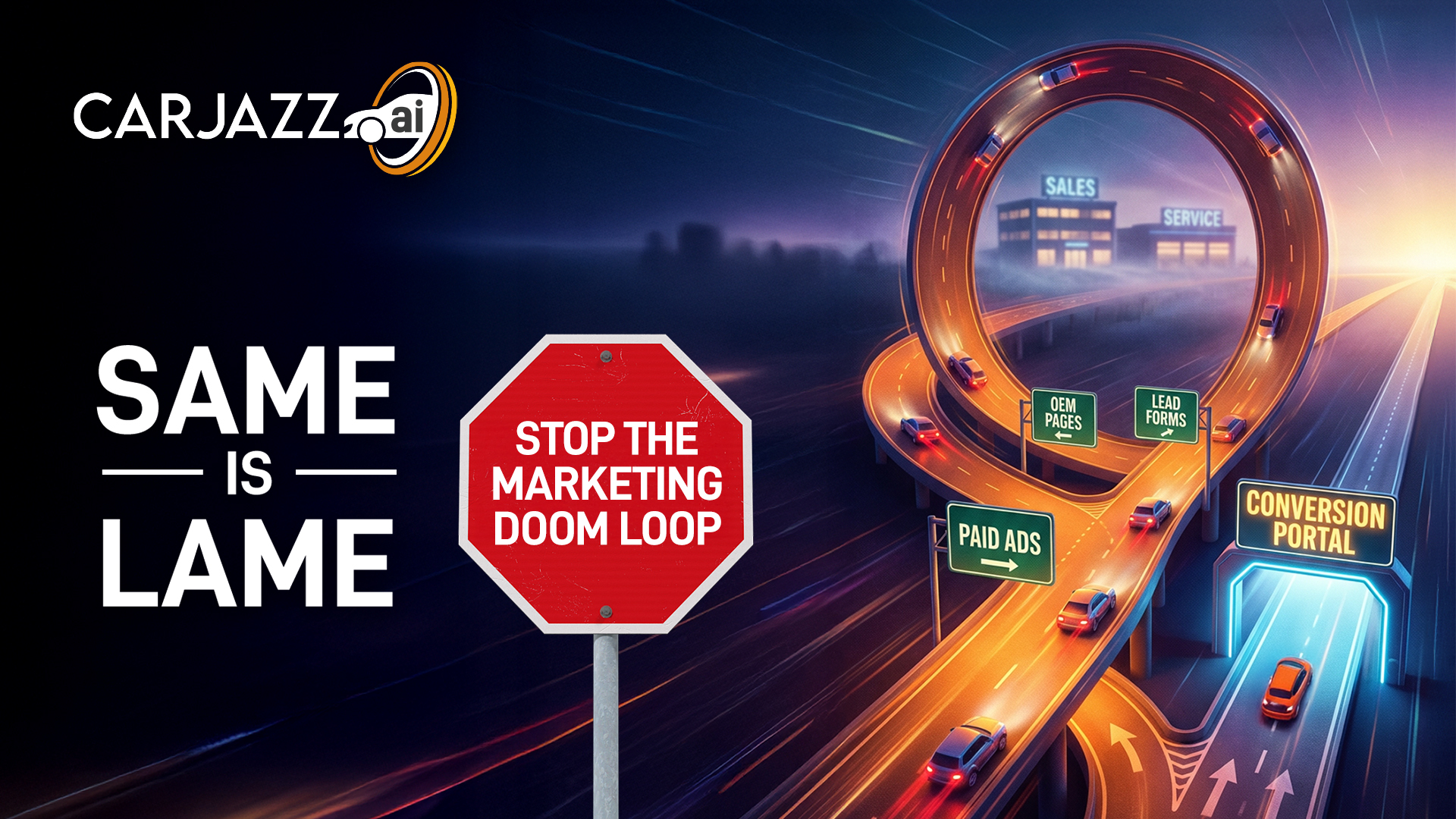
OEM stair-step (often branded as STAR or performance tier) programs are designed to push dealer behavior. They create tiered sales targets with escalating, often retroactive bonuses that reward volume attainment. On paper, they look like growth incentives. In reality, they are margin management systems engineered to drive factory objectives, not dealer profitability.

These programs condition dealers to chase unit volume at the expense of front-end gross, pricing discipline, and long-term customer value. When a store is “one car away” from unlocking a massive retroactive bonus, it will often sacrifice margin to hit the step. The OEM wins predictable volume. The dealer absorbs pricing pressure, operational stress, and volatility.

The fundamental flaw: stair-step programs reward output, not efficiency.

Why Dealers Must Shift the Strategy

Instead of relying on OEM bonus structures to create profit, dealers should focus on what they actually control:

1. Conversion > Volume

A store converting 18% of inbound traffic doesn’t need more leads, it needs better conversion systems. Increasing conversion to 25–30% can produce the same unit growth as hitting a stair-step tier, without sacrificing margin.

Better conversion means:

 
  • Faster response times
  • Structured follow-up processes
  • Stronger appointment setting
  • Personalized digital retail experiences
  • Proper lead qualification and nurturing

Profit comes from improving yield per opportunity, not just increasing opportunities.

2. Margin Preservation Beats Retroactive Bonuses

Stair-step bonuses can disappear next month. Improved conversion systems compound monthly.
 
If a dealership:
 
  • Protects $800–$1,500 more in gross per deal
  • Improves close rate by even 5%
  • Retains more F&I penetration

They build sustainable, controllable profitability, independent of factory thresholds.

3. Customer Lifetime Value Over Monthly Quotas

OEM programs operate on short cycles (month/quarter). Dealerships should operate on lifetime value.

When stores discount heavily to hit a tier:

  • They train customers to negotiate aggressively.
  • They commoditize their brand.
  • They erode perceived value.
A strong conversion strategy builds trust, transparency, and retention, leading to service revenue, trade cycles, and referrals.

4. Breaking Dependency on OEM Incentive Cycles

Dealers that rely on stair-step bonuses become financially dependent on:
 
  • Manufacturer volume targets
  • Allocation systems
  • Incentive timing
Dealers that master conversion systems become independent operators who can:
 
  • Maintain pricing power
  • Control customer acquisition costs
  • Stabilize cash flow
  • Scale predictably

The Strategic Shift

The smartest dealers aren’t asking: “How do we hit the next OEM tier?”
 
They’re asking: “How do we maximize the value of every opportunity we already have?”
 
Improved customer conversion mechanisms, better digital engagement, structured sales processes, data-driven follow-up, and disciplined pricing strategy, allow dealers to outperform OEM incentives rather than depend on them.

Bottom Line

Stair-step programs reward compliance.
Conversion excellence rewards control.

Dealers who invest in customer conversion infrastructure build sustainable profit engines that outlast incentive programs, market swings, and factory pressure.

Volume can be manufactured.
Margin and customer loyalty must be engineered.
Share the Post:

Related Posts